Rochester, MN · Garage Door Service
Garage door repair for Rochester, MN homes built 1947-2001, from Byron to Stewartville and Kasson. Springs, openers, tracks fixed on cold-climate doors.
What We Do
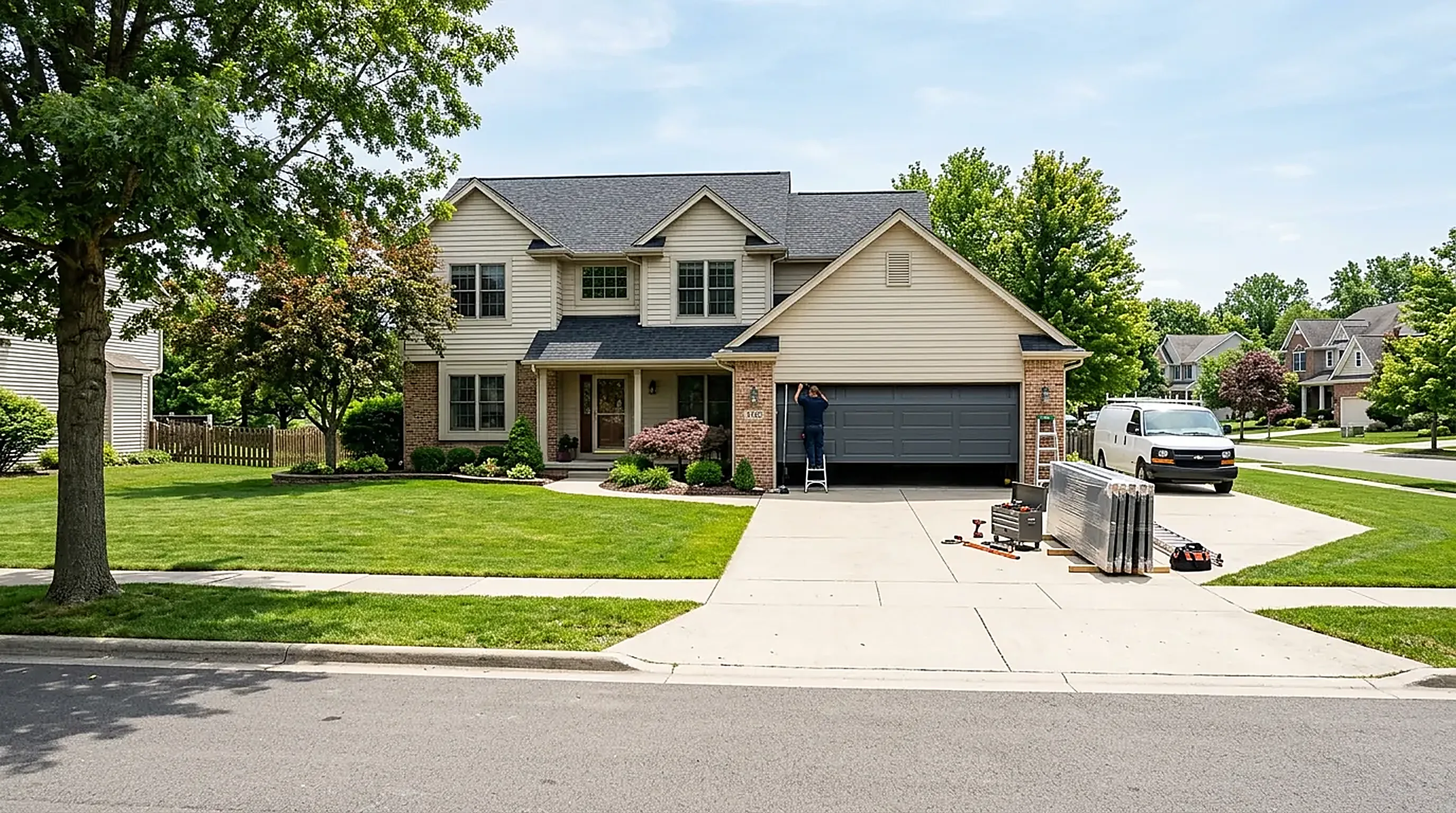
From a snapped spring to a full door replacement - one local crew, upfront pricing.
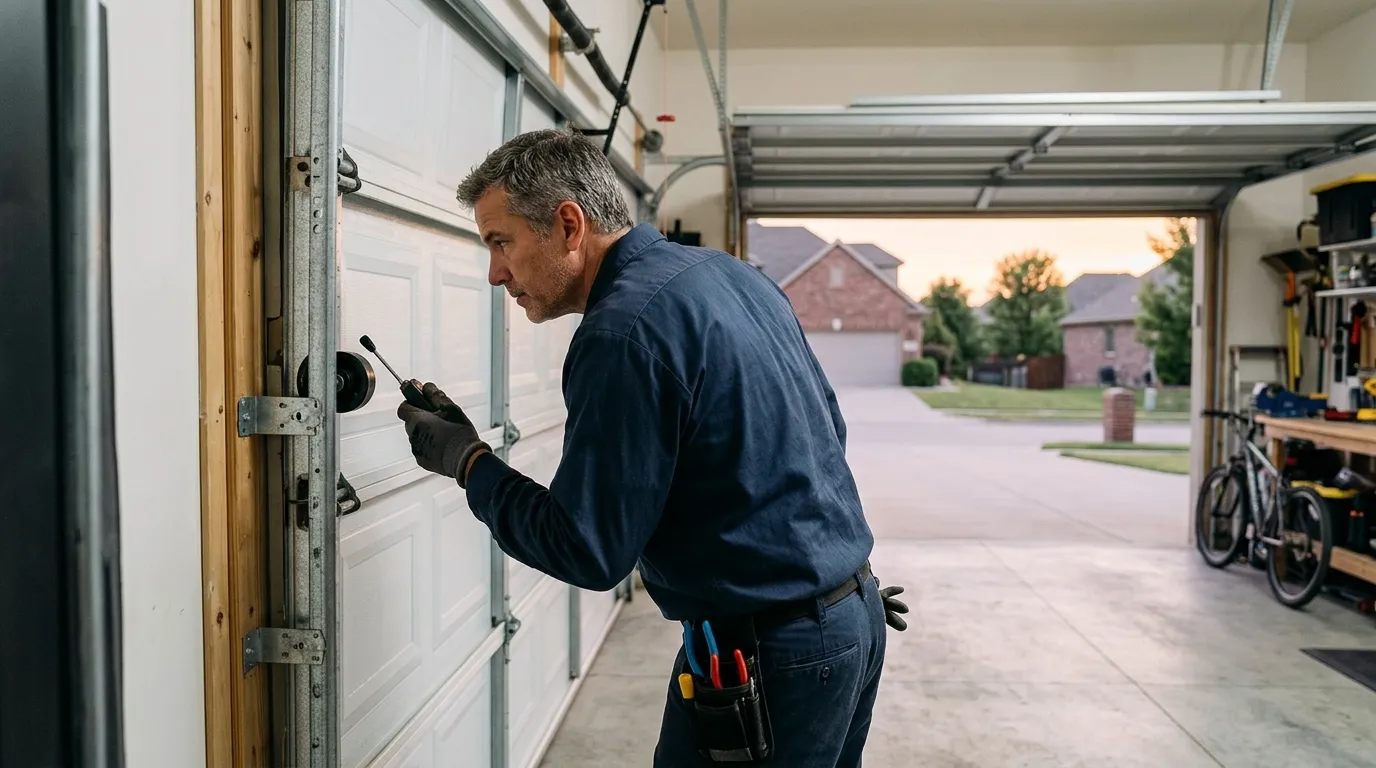
Off-track doors, snapped cables, bent panels and grinding openers - diagnosed and fixed.
Learn more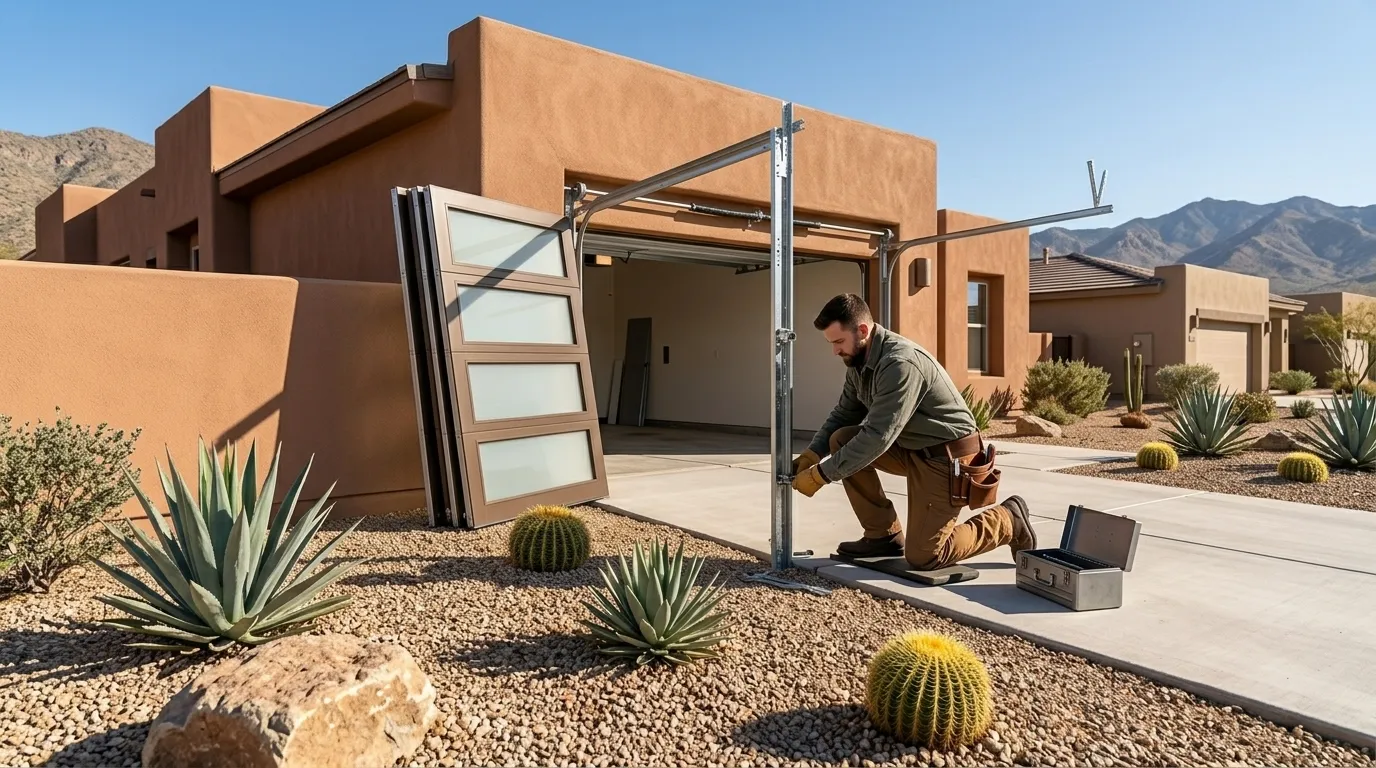
Chain, belt and screw-drive openers, safety sensors and rolling-code remotes.
Learn more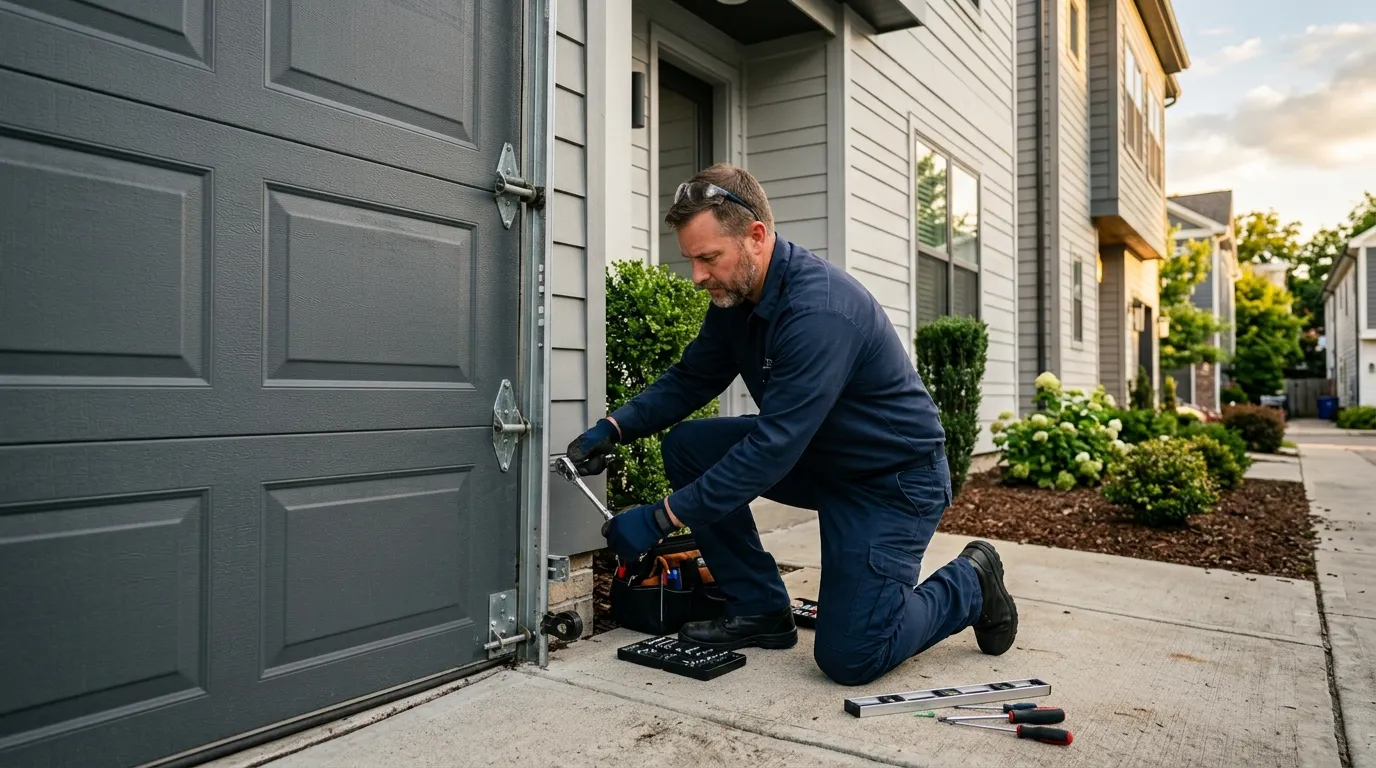
Doors jumped the track re-set, aligned and re-tensioned so they run true.
Learn more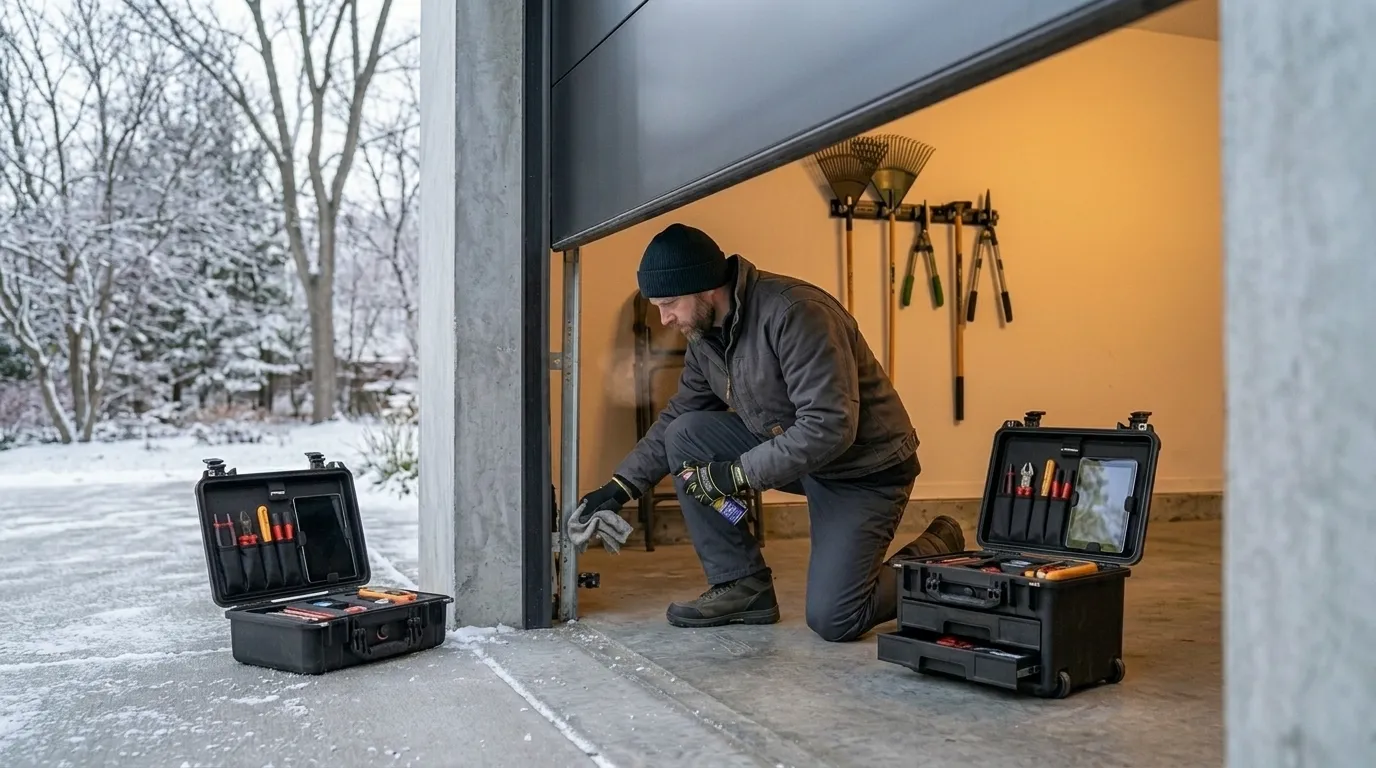
Frayed or snapped lift cables replaced and balanced against the springs.
Learn more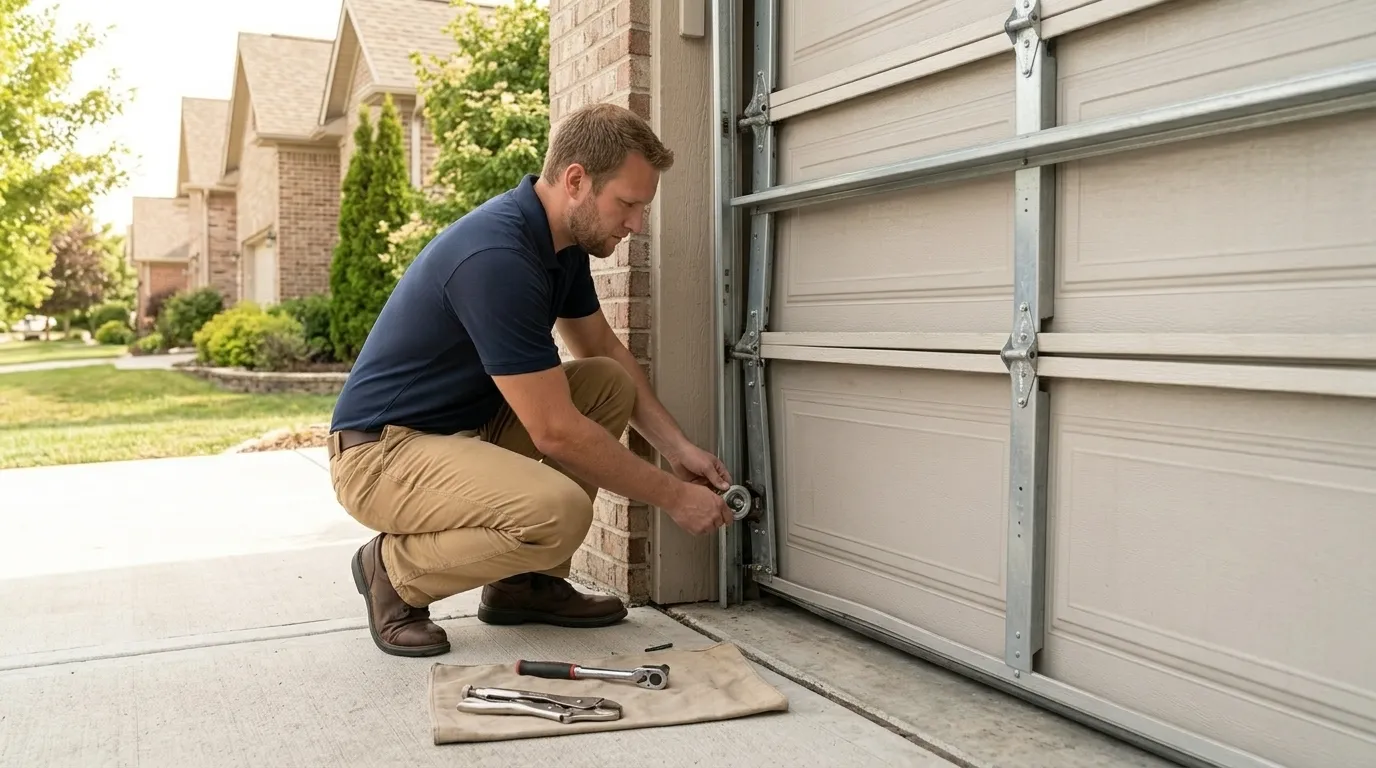
24/7 same-day help for a door that's stuck, off-track or won't secure.
Learn more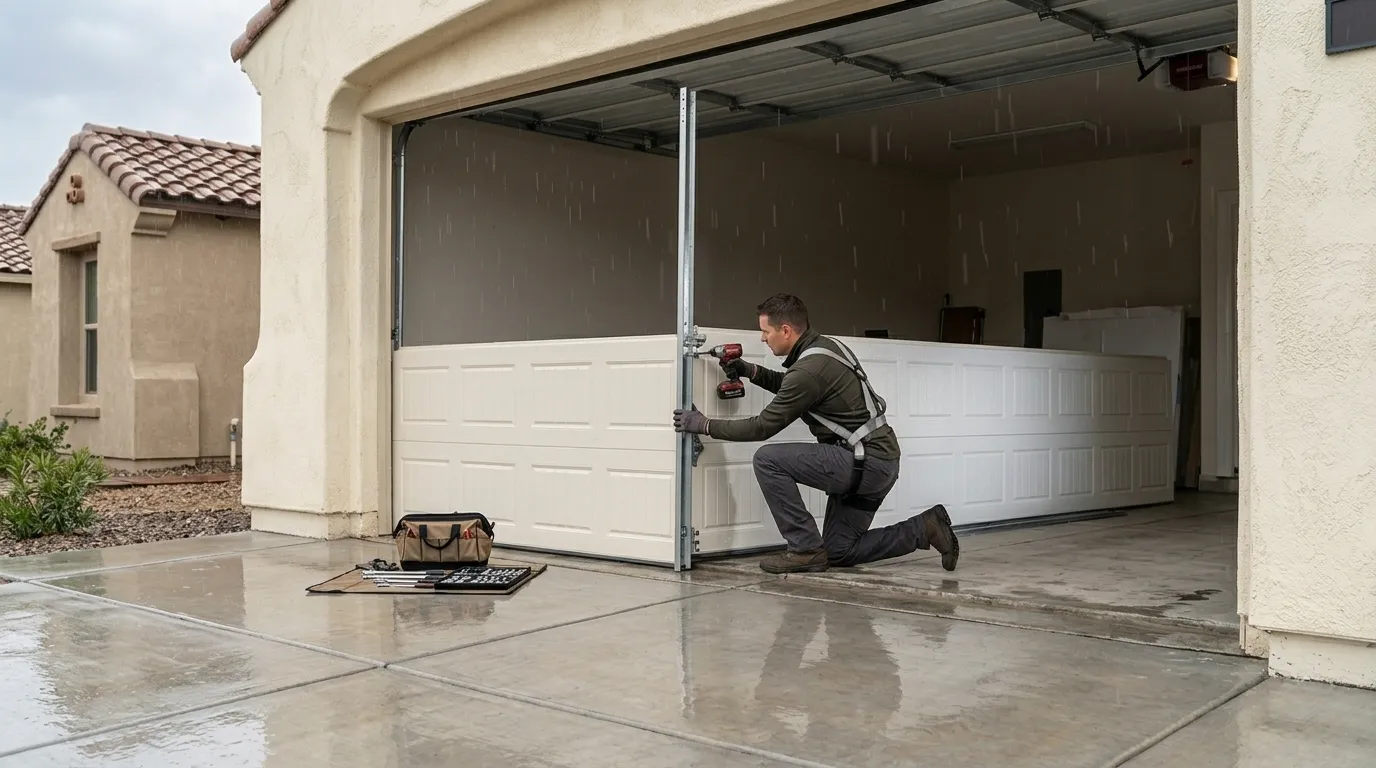
Dented or cracked sections swapped for a match without replacing the whole door.
Learn moreFast Response
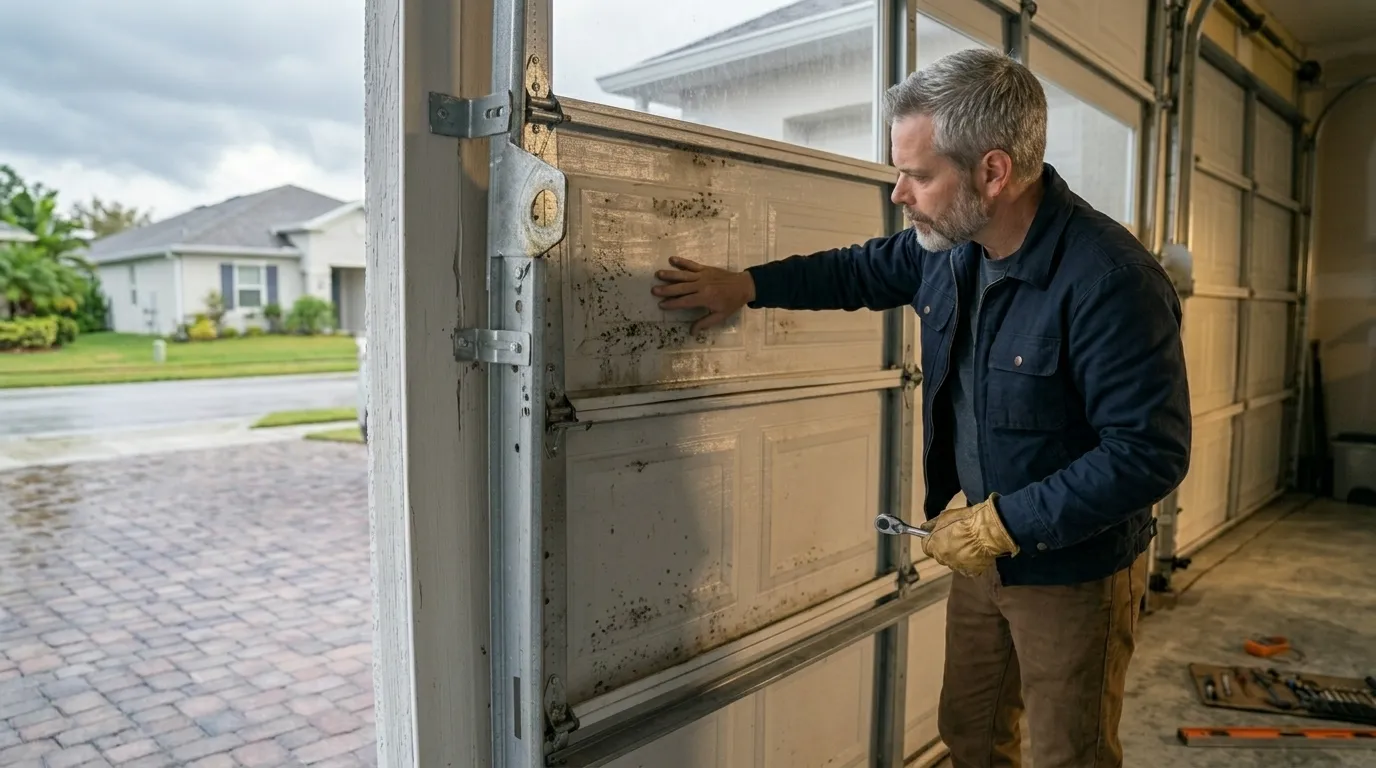
A stuck or broken garage door can't wait. Call before the afternoon and we can usually be out the same day - most repairs are diagnosed and finished on the first visit, with an upfront price before any work starts.
 Same-day service
Why Rochester Calls Us
Most repair calls are handled the same or next day - springs and openers don't wait.
Trained techs, proper spring tools, and the insurance to back the work.
A written quote at the door before any work starts - no surprise add-ons.
We diagnose the actual cause, not just the symptom, so the door stays fixed.
Fully stocked trucks mean most repairs are finished on the first visit, no second trip.
A Rochester-based team you can reach directly, not a national call center.
How It Works
Call or request a quote and describe what the door is doing - noise, off-track, won't open.
A tech inspects the springs, tracks, opener and panels and gives you a written price first.
Most repairs are done on the same visit; installs are scheduled around you.
Our Work
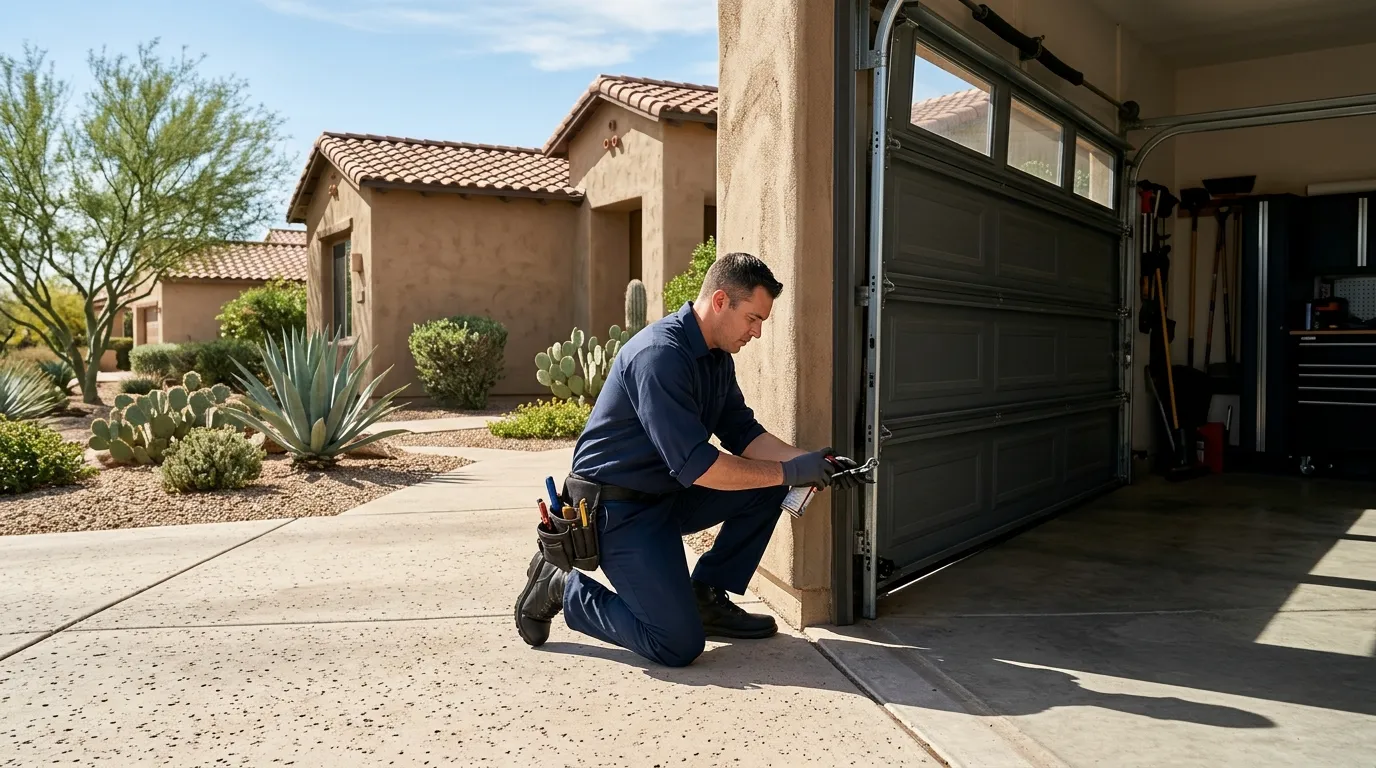
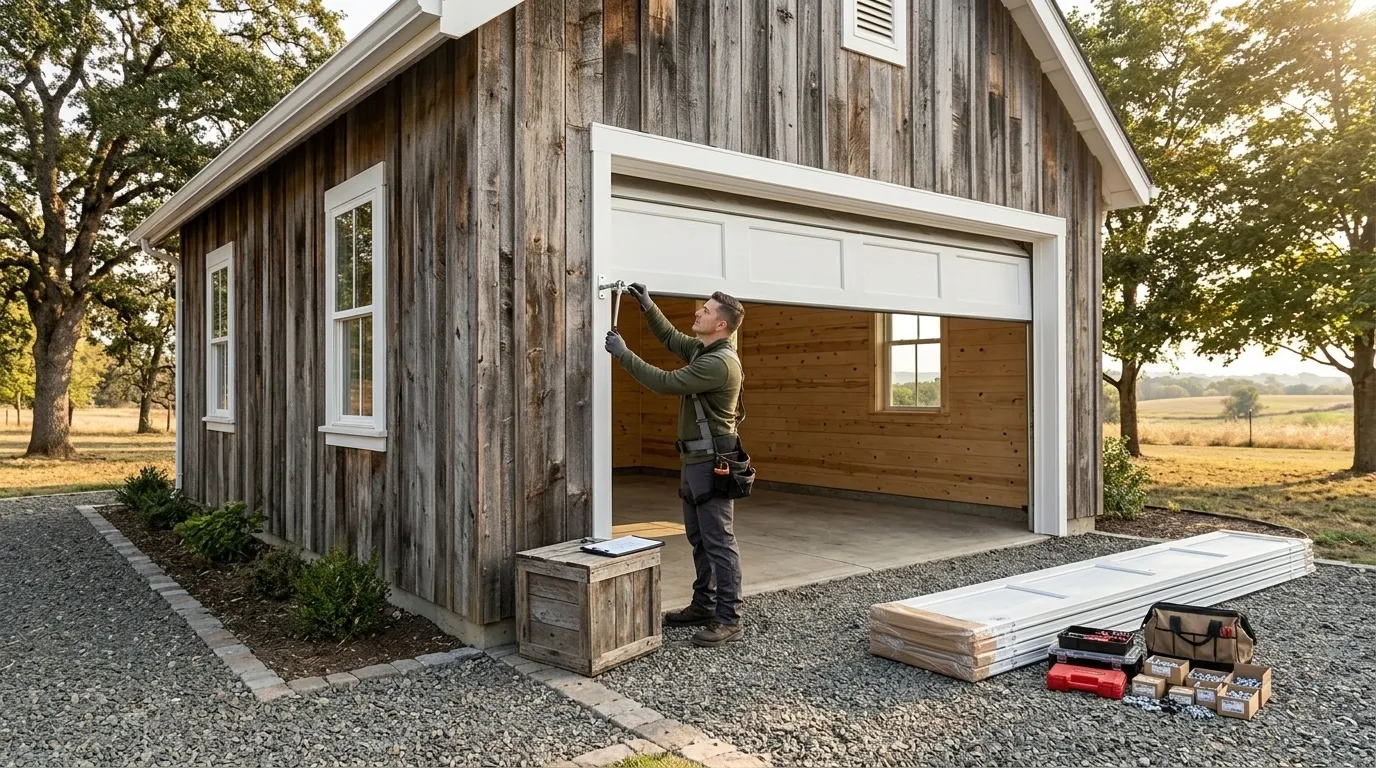
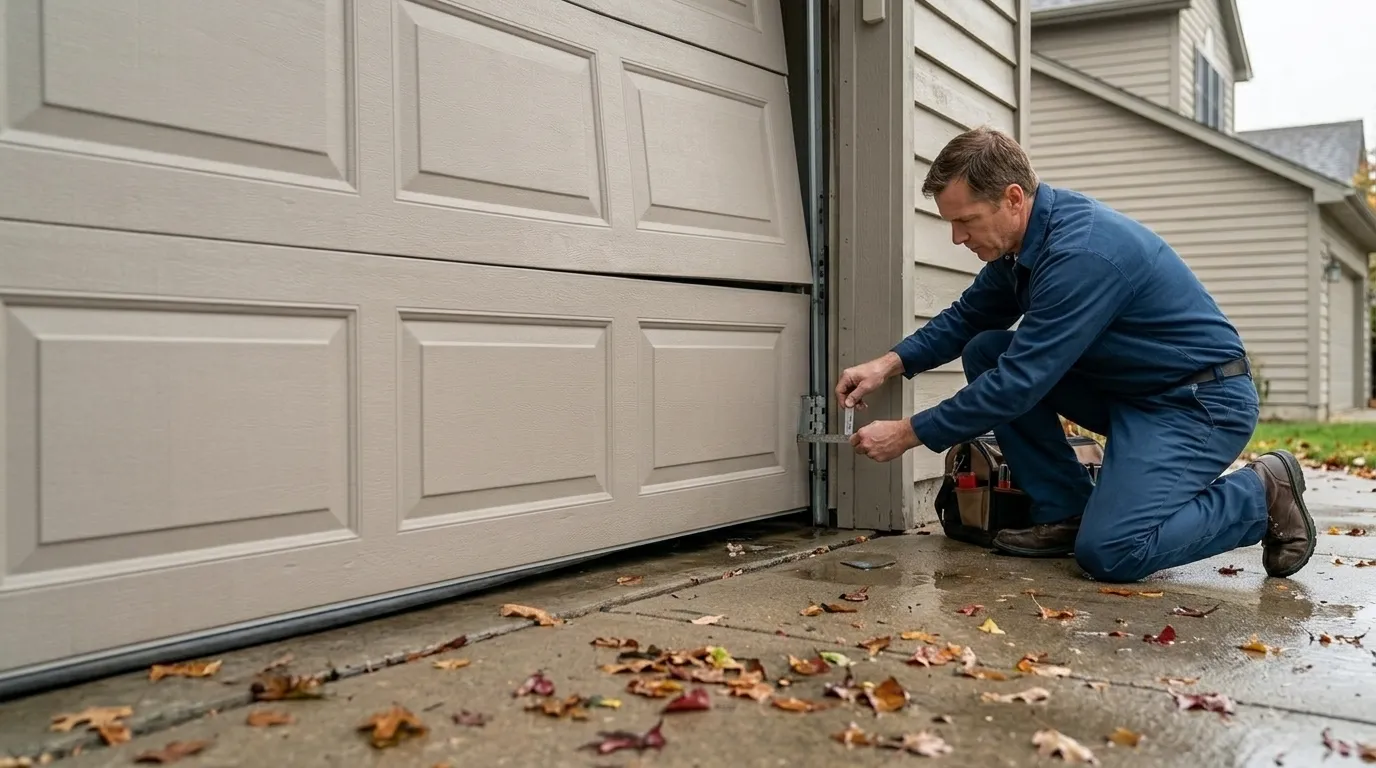
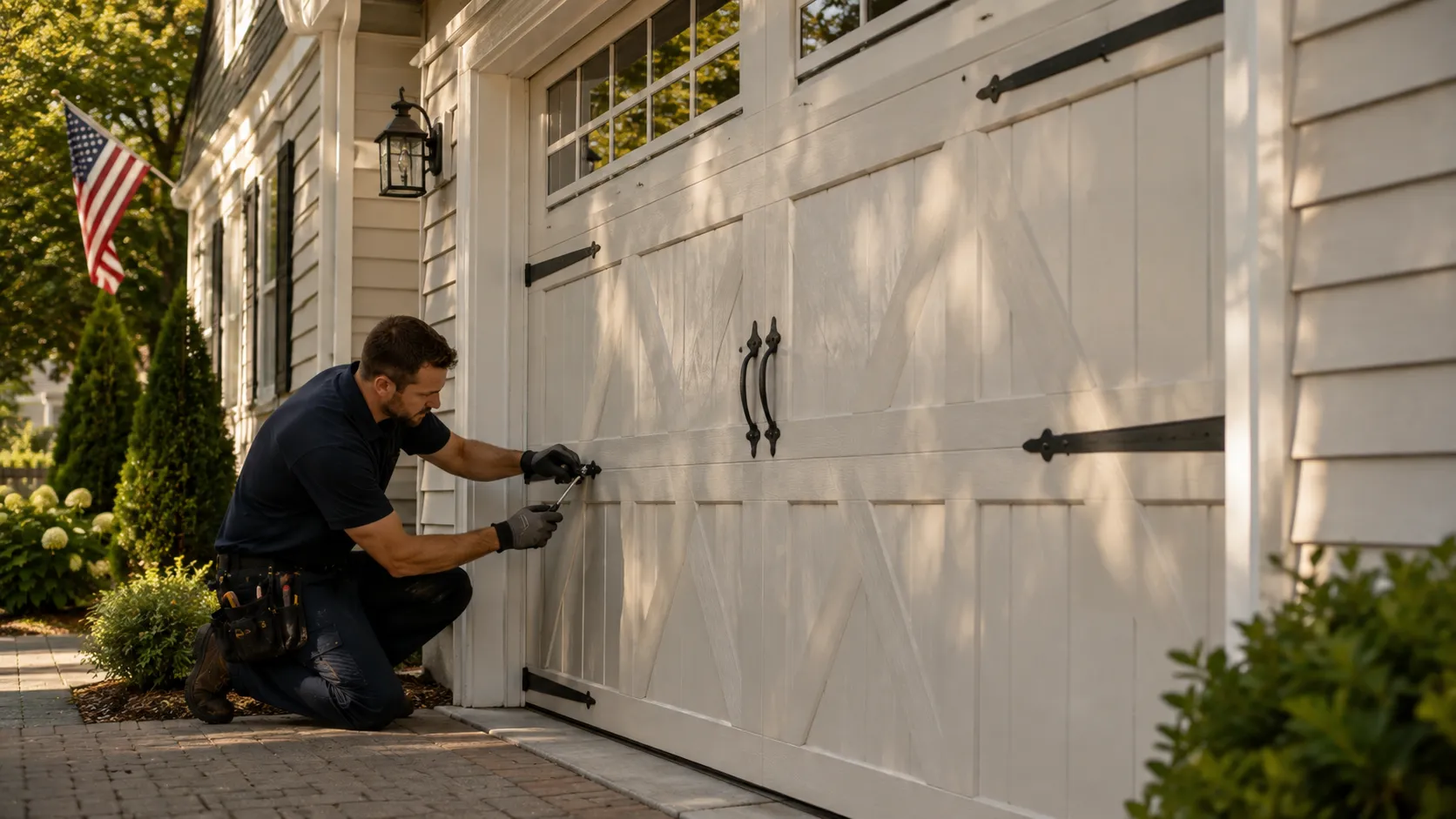
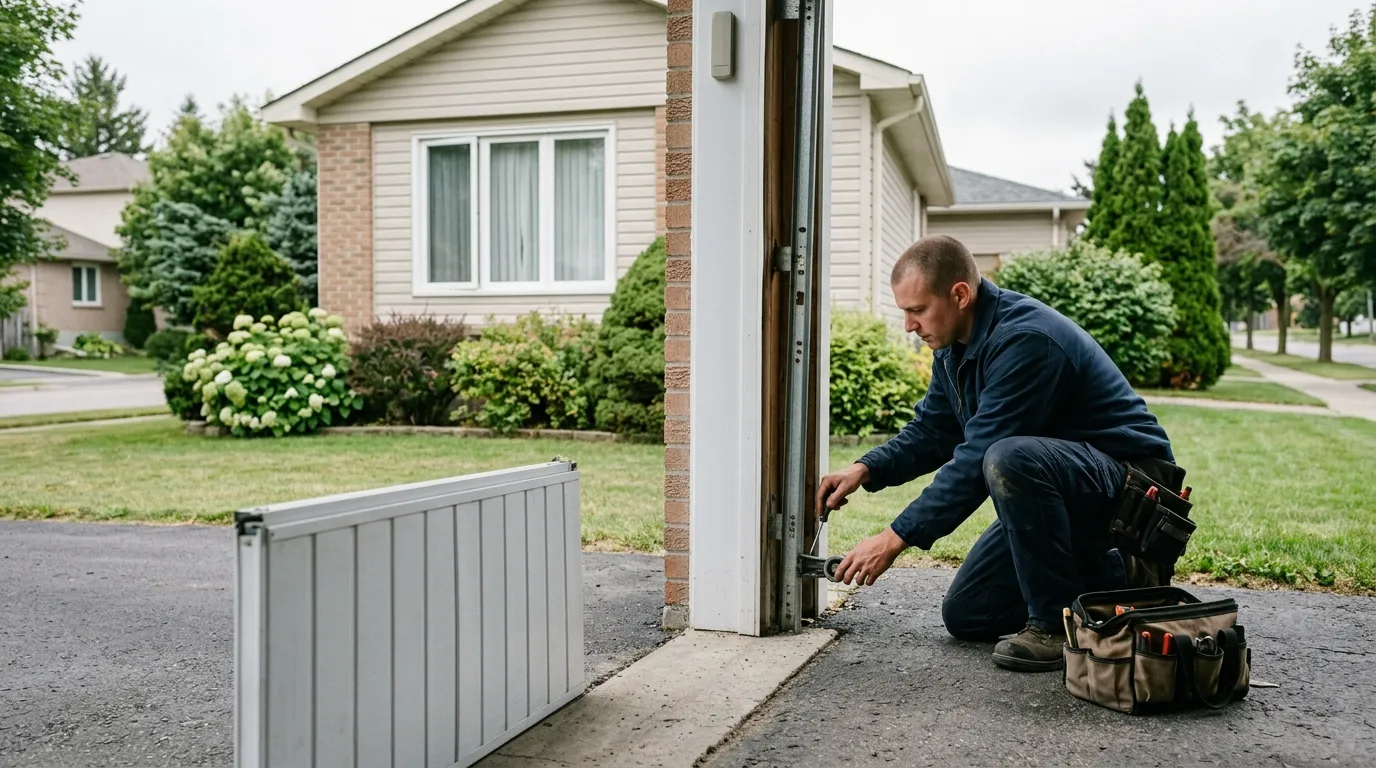
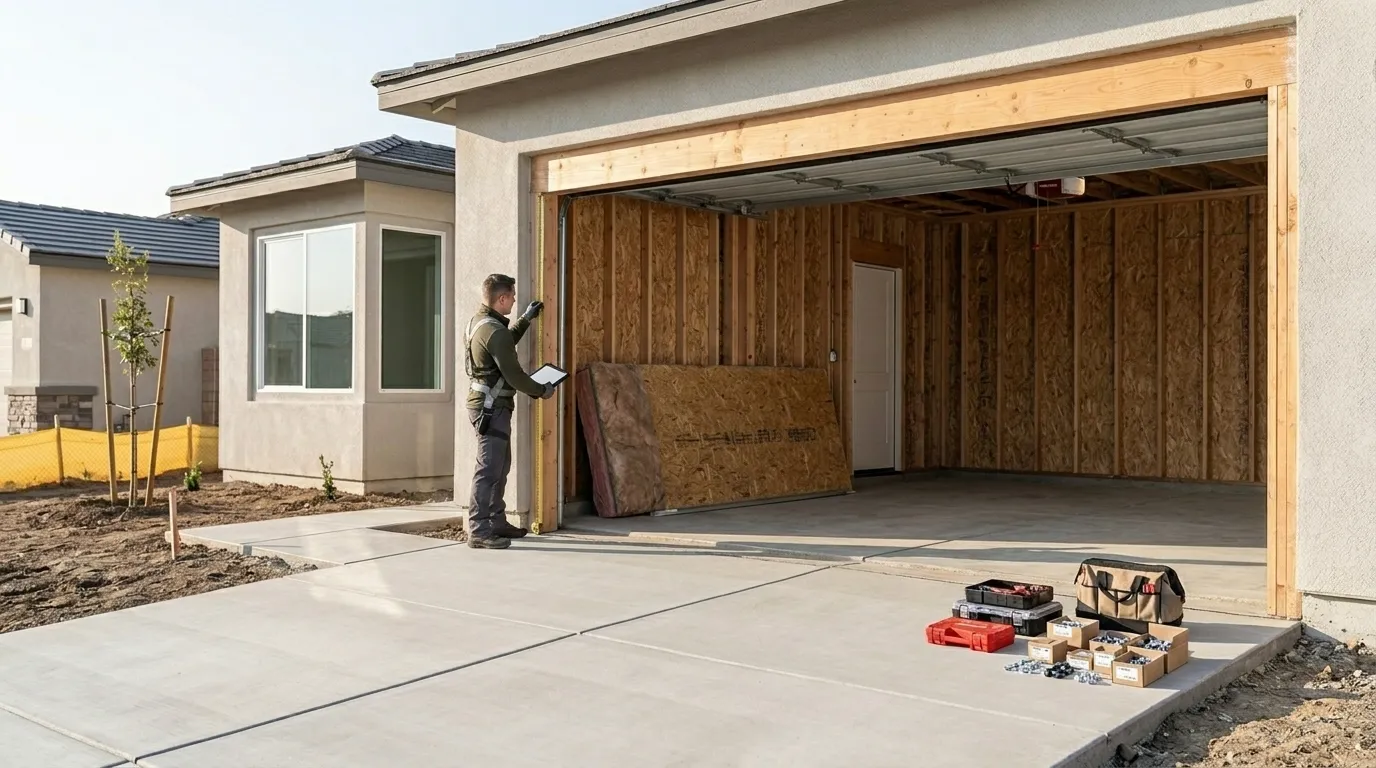
A look at doors, openers and springs we've installed and serviced across the Rochester metro.
Where We Work
Neighborhoods across the city and suburbs around the metro. Not sure if we reach you? Just ask.
Local Expertise
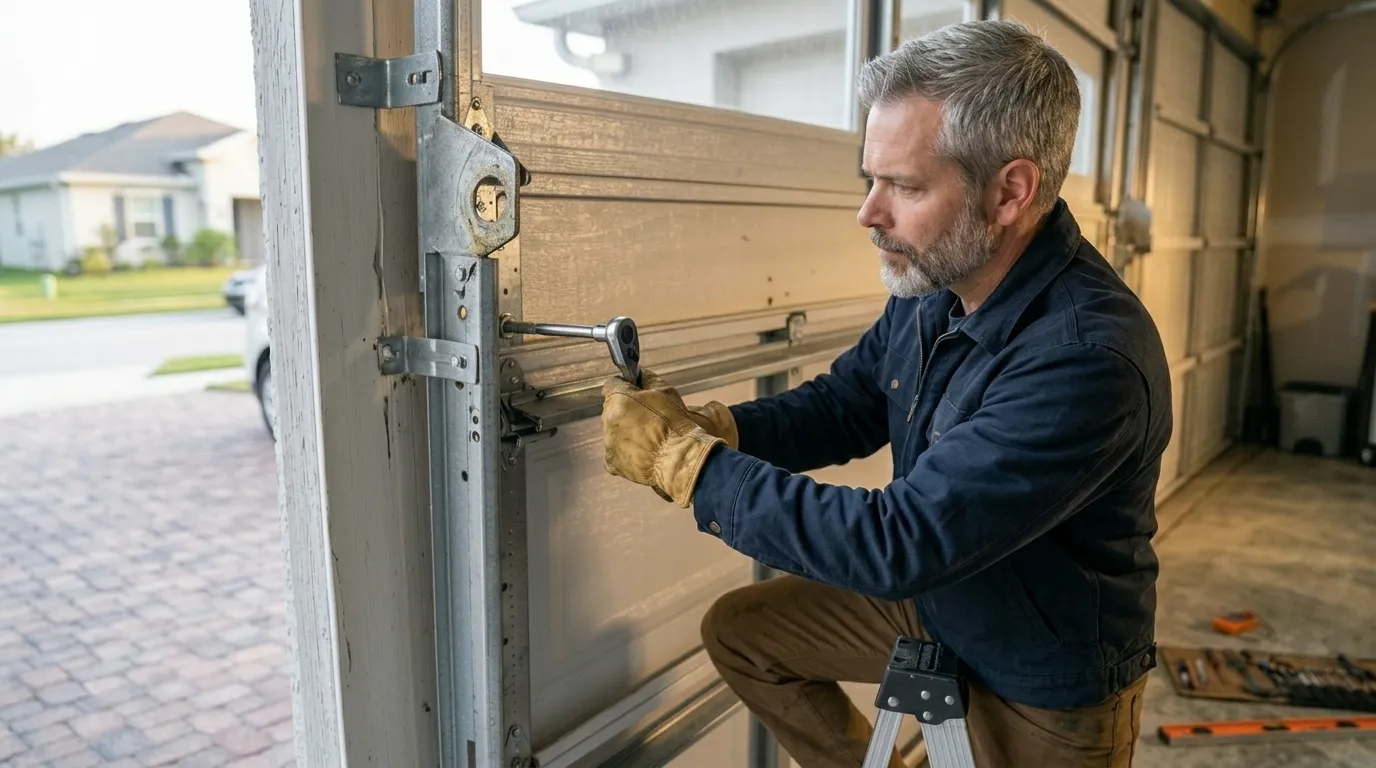
You're paying for someone to show up with the right spring, the right cable, and the tools to put your door back on track the same day - not for a truck that has to leave and come back twice. Most of the houses we work on here went up between 1947 and 2001, with the bulk of that stock dating to the 1980s and 90s across the seventeen named areas we cover, and that range of build years means a wide spread of door widths, track types, and opener mounts. Older one-piece doors need different hardware than the sectional doors that came standard by the late 80s.
We don't pad a bill with a service call fee and then a separate diagnostic fee and then a separate parts markup fee. You get told what's broken, what it costs to fix, and whether fixing it is worth doing compared to replacing the section or the whole door. If a part isn't something we carry on the truck, we say so and tell you when we can get it, rather than guessing.
We don't do custom architectural doors or carriage-house builds from scratch - that's a specialty shop's work, not ours. What we do is keep the doors already on these houses running, or replace them with something built for the winters here.
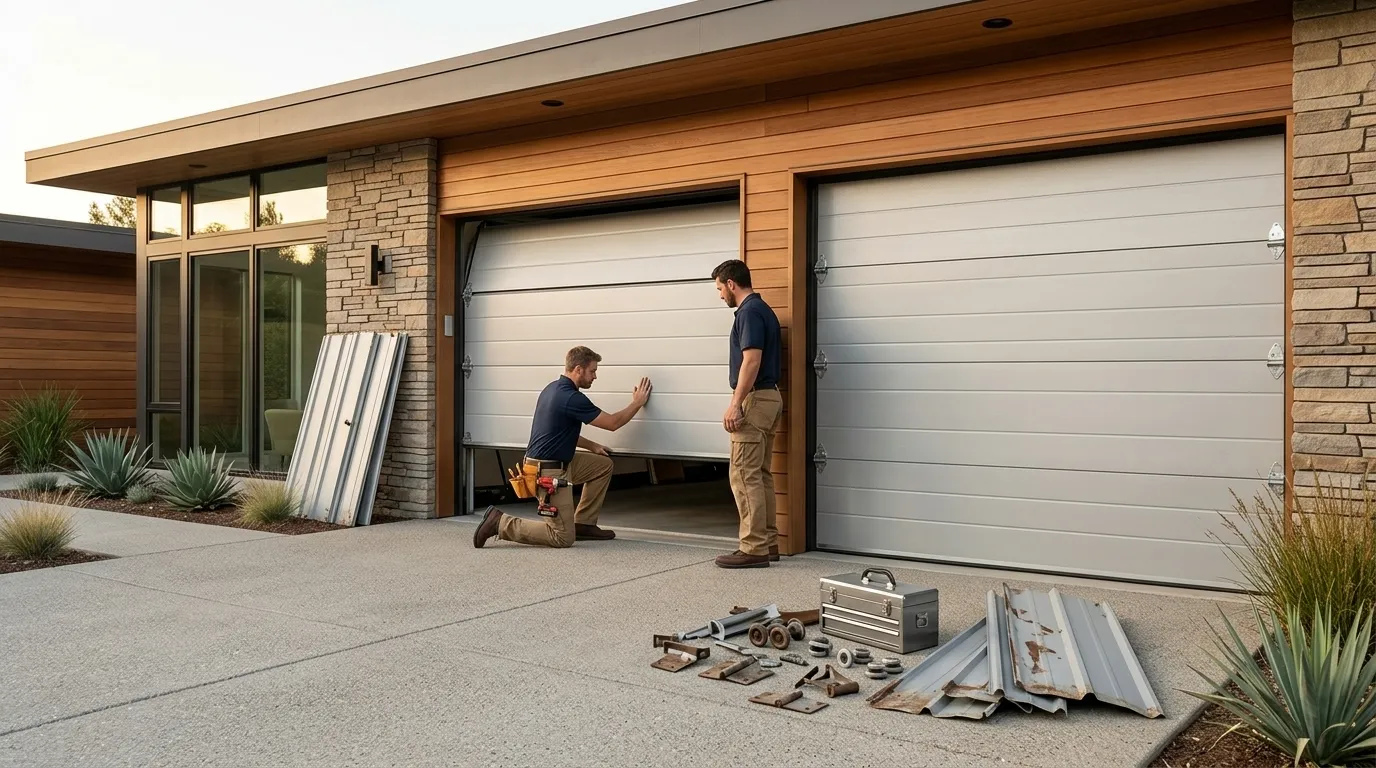
Rochester sits in a cold, severe climate band, and that means torsion springs cycle through more temperature swings each winter than a door in a milder zone ever sees. Cold steel is brittle steel - a spring that's been fine for eight years snaps on the one morning it hits single digits and someone tries to open the door before the garage has warmed up at all.
On the older end of the housing stock, from the late 1940s through the 60s, we still find one-piece doors on side-mounted torsion hardware, and that hardware isn't something every supply house stocks anymore. On the newer end, homes built through the 90s and into 2001 mostly run standard extension or torsion springs on sectional doors, and those fail more from cycle count and rust at the bottom rollers than from age alone.
Openers are the other common call - chain-drive units from the 80s and 90s reaching the end of their gear life, or a sensor knocked out of alignment by a shoveled snowbank. Track separation after a hard freeze-thaw cycle is common too, especially on doors that don't get moved much in January. None of this is exotic. It's what cold weather does to steel and to a mechanism that gets used twice a day, year-round.
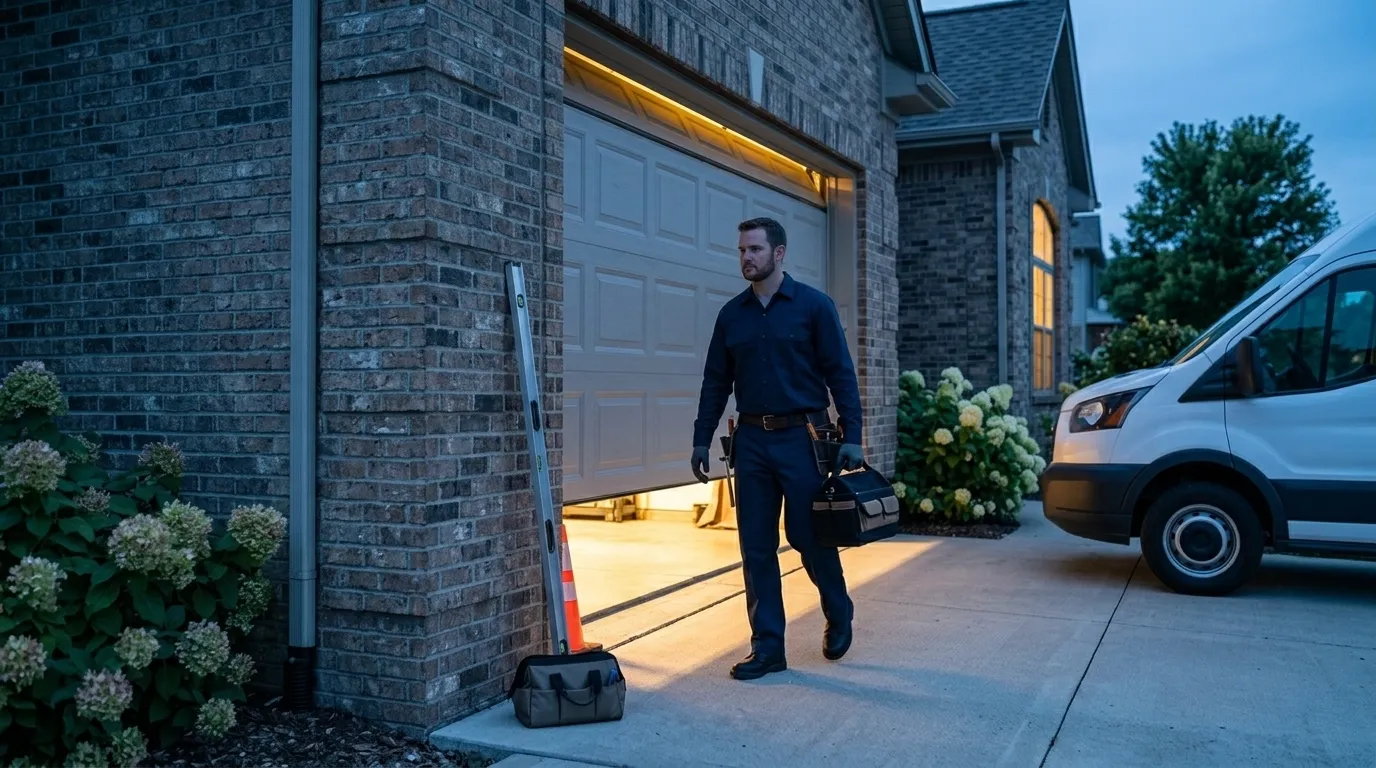
You call, we ask what the door is doing - won't open, opens partway and stops, makes noise, opener runs but door doesn't move - and that tells us most of what we need before a truck leaves. We cover Rochester and out to the surrounding towns: Byron at eight miles, Oronoco at ten, Stewartville at eleven, Eyota at twelve, Kasson, Elgin, and Mantorville around fourteen, Pine Island and Mazeppa at fifteen, and out to Dover, Jordan, Millville, Plainview, Dodge Center, and Chatfield in the seventeen-to-nineteen mile range. Northwest Rochester, just five miles out, is close enough that we're often there within the hour.
On site, we test the door under power and by hand, because a spring problem and an opener problem can look identical to someone standing in the driveway. We tell you what's wrong in plain terms - not a part number, an actual sentence about what broke and why. If it's a same-day fix, we do it then. If a part needs ordering, we say how long that usually takes rather than promising a date we can't hit.
We don't work with a dispatcher reading a script. Whoever answers the phone has been on the truck and can tell you roughly what you're looking at before anyone drives out.
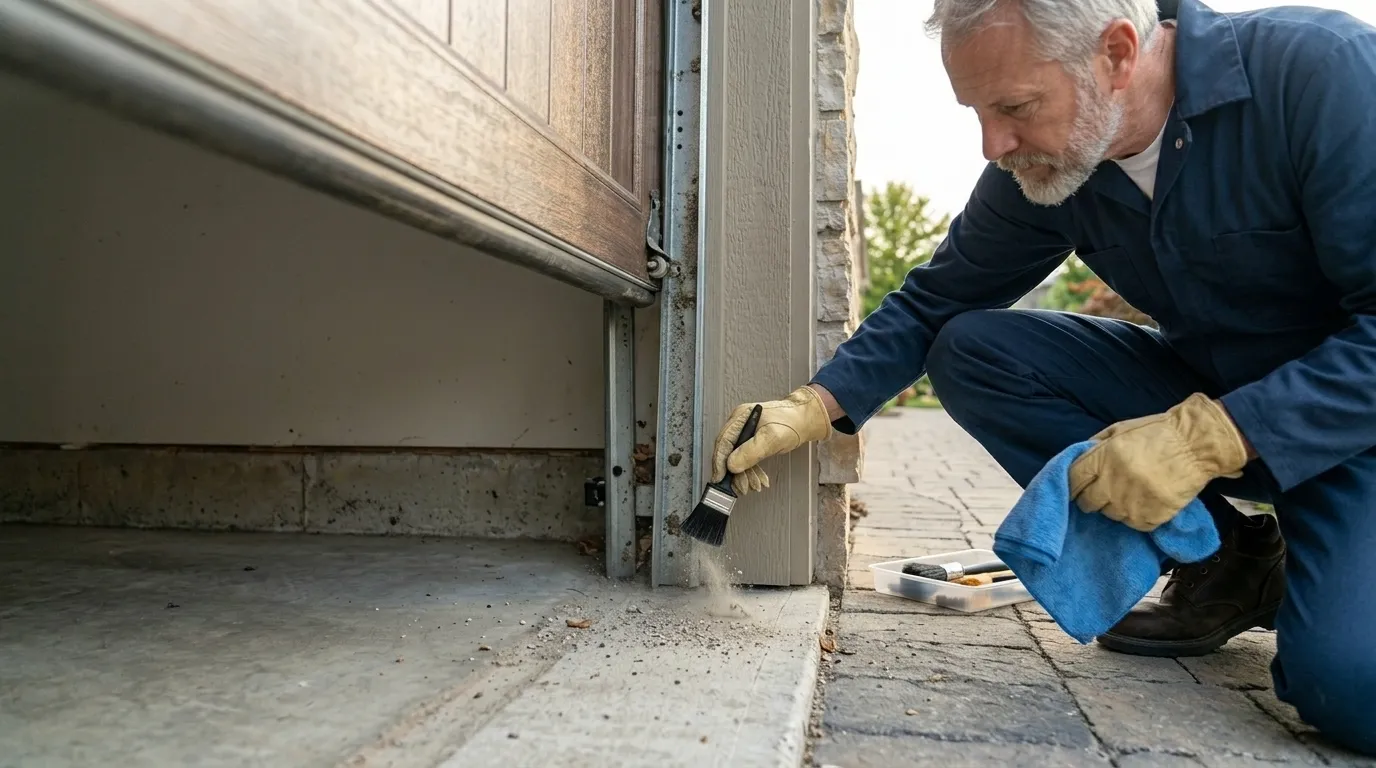
The housing here spans 1947 to 2001, with a median build year of 1982, spread across seventeen named areas in and around Rochester. That's a wide window, and it shows up in the doors: postwar houses with narrower single-car openings and older torsion setups, ranch and split-level homes from the 60s and 70s with wider double-door garages, and the 80s-90s wave that makes up most of the stock, usually with sectional steel doors and a chain-drive opener original or close to original to the house.
Across the service area there are 16,098 households and 10,381 owner-occupied houses, and a good share of those still have the opener that came with the house when it was built - which, for a home from the 80s or 90s, means a unit pushing thirty or forty years old. That's not a defect, it's just the math of how long these things last when they're maintained.
What this means for a repair call is that we're rarely guessing at what era of hardware we'll find. A house built in 1985 on this side of town almost always has a specific, predictable setup, and knowing that before we knock on the door saves a trip back to the shop for a part we should've brought the first time.
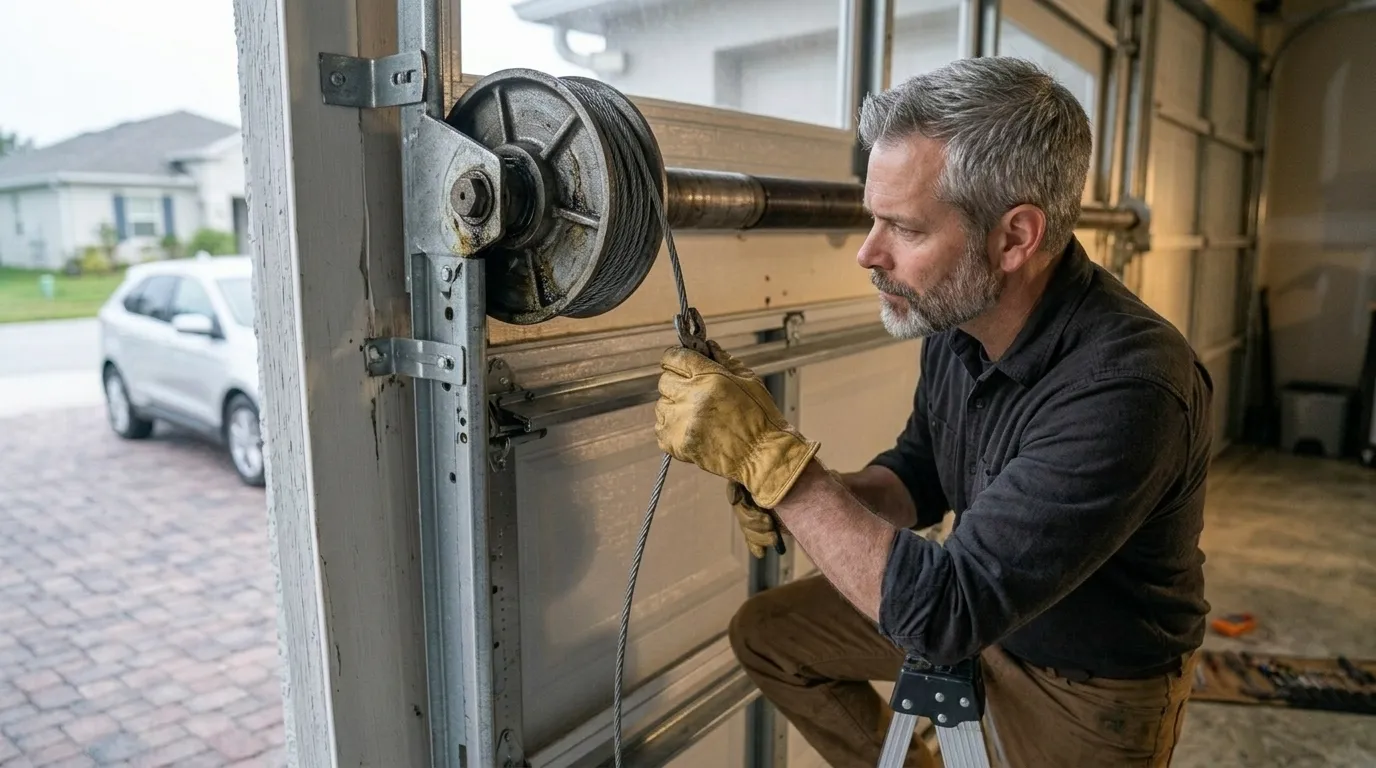
A repair makes sense when one thing failed - a spring, a section, a sensor - and the rest of the door is sound. Replacement makes sense when the door is fighting you on multiple fronts at once: a worn-out opener, rusted track, and a spring near the end of its cycle count all at the same time. Fixing each of those separately usually costs more, over a year or two, than doing the door once.
With median household income here at $91,612, most of the calls we get where we recommend replacement are homeowners who've decided it's not worth patching a 30-year-old door section by section. That's their call to make, not ours - we'll fix what can be fixed and tell you honestly when we think you're throwing money at something that won't last another winter regardless.
Cold-climate doors also matter here in a way they wouldn't in a milder area: insulation value in the panel isn't cosmetic when the garage shares a wall with living space, and an old uninsulated steel door on a house built in the 60s or 70s is a real difference in a January heating bill. We won't tell you to replace a door that's working fine just because it's old. But if you're asking, we'll give you a straight answer either way.
Good to Know
Yes. A fair number of houses on the older end of the local stock, from the late 1940s through the 60s, still have one-piece doors on side-mounted torsion hardware. It's less common hardware than what's on newer sectional doors, so we bring specific parts for it rather than assuming a standard torsion spring will fit.
We cover Rochester itself and out to towns including Byron, Oronoco, Stewartville, Eyota, Kasson, Elgin, Mantorville, Pine Island, Mazeppa, Dover, Jordan, Millville, Plainview, Dodge Center, and Chatfield, roughly eight to nineteen miles out. Northwest Rochester, about five miles away, is usually the fastest call for us to reach.
Cold makes steel more brittle, and this area sits in a climate band with severe cold winters. A spring near the end of its cycle life that would have held on through a mild morning can snap the first time it's worked hard at a low temperature. It's usually a sign the spring was already close to done.
Depends what's wrong. If it's a sensor or a logic board, repair can make sense. If the gear is worn or the unit is chain-drive and pushing thirty-plus years, which is common on houses from that era, replacement usually costs about the same as a major repair and you get a working unit instead of a patched one.
Call now or request a free quote - same-day service on most repairs, upfront written pricing.