Rochester, MN · Garage Door Service
In Rochester, MN, most garage doors date to the 1947-2001 building boom era. Here's how to tell if yours is worth repairing or ready for replacement now.
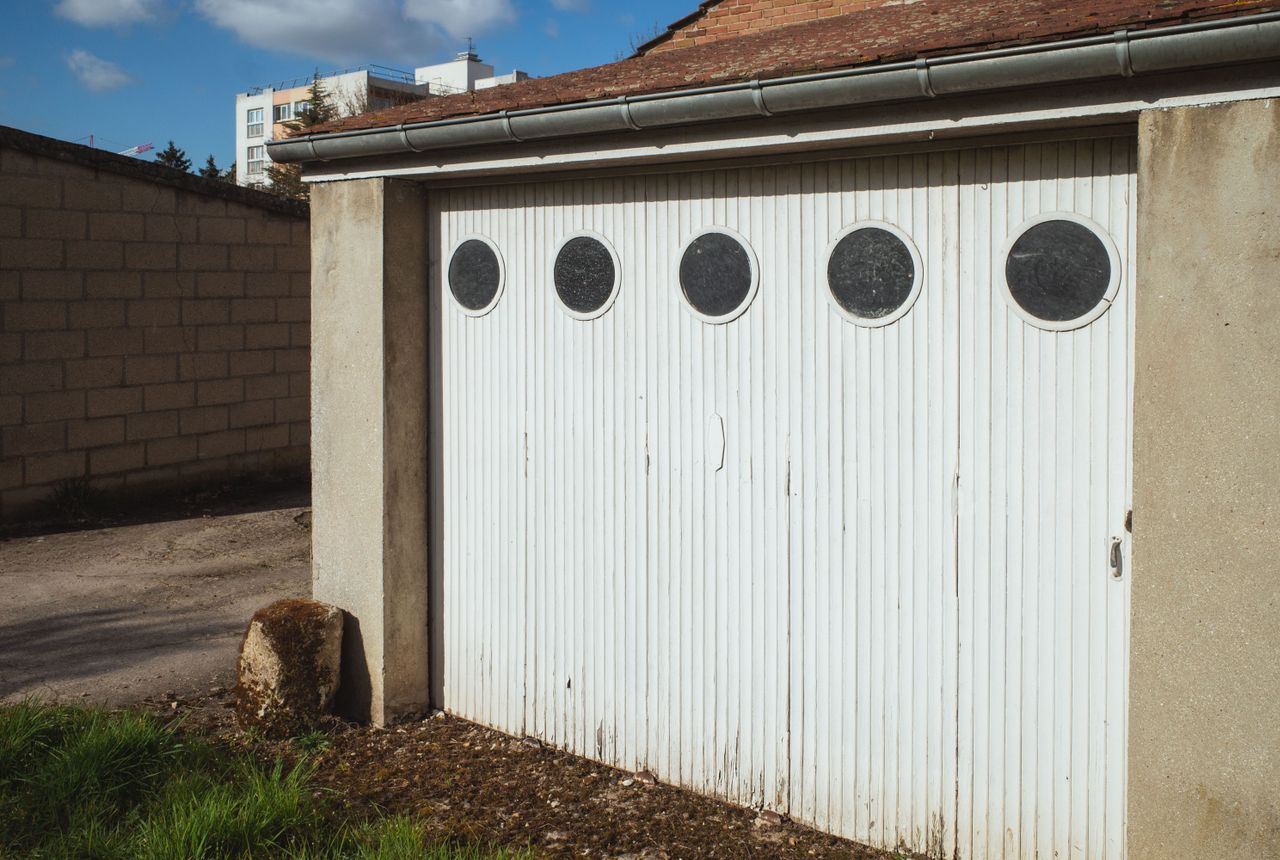
Most houses in the Rochester area went up between 1947 and 2001, with the median landing around 1982. That's a long stretch of building, and it means the doors and openers we get called out on aren't one generation of hardware - they're three or four. Across the 17 named areas we work in, the bulk of the stock is 1980s and 90s construction, which is the era of steel sectional doors on extension or torsion springs that were built to last but never meant to run forty years without service.
The problem shows up as noise, sag, or a door that won't stay up on its own. Sometimes it's a cracked panel from a garage that was never insulated. Sometimes it's an opener chain that's stretched so far the door reverses on its own. None of that means the whole unit is junk. It means somebody has to open the garage, look at the actual hardware, and tell you honestly whether the part that's failing is worth fifty dollars or the whole door is worth replacing.
Rochester sits in a cold-climate band that hits garage door hardware hard, especially springs and tracks not rated for severe winters. Steel contracts in the cold, torsion springs lose tension faster, and nylon rollers that were fine in September start binding by January. A door that's marginal in fall usually fails in a cold snap, not because anything broke overnight but because the cold finally exposed what summer was hiding.
This matters more on the older end of our housing stock. A door installed when the house was built in the 1950s or 60s was never engineered against today's understanding of severe cold-climate cycling, and the steel gauge and spring wire on those original units is thinner than what goes in now. That doesn't make the door junk - plenty of them run fine with a spring swap and fresh lubrication - but it does mean a repair call in January often turns up more than one worn part at once, because cold stresses the whole system, not just the piece that finally gave out.
With 16,098 households and 10,381 owner-occupied houses in this service area, we see the same mistake a lot: people assume a noisy or slow door means the whole unit needs replacing, when it's actually one spring, one bent track section, or a worn bottom bracket. At a median household income of $91,612, most owners here can afford a new opener without much strain, and that's exactly when people over-buy - replacing a door that had another decade in it because a $20 part failed and nobody looked closer.
The other direction is just as common: patching a door that's structurally done because the last three fixes were cheap. If the track is bent in more than one spot, if the panels are rusted through at the bottom, or if the opener has already been replaced twice on the same aging door, you're paying for labor on a frame that's fighting you. Knowing which situation you're in takes an actual look, not a guess over the phone.
Call before the door fails completely, not after. A spring under tension that's starting to sag or a cable that's fraying is a controlled repair. The same spring, snapped, with the door stuck halfway, is a bigger job and a safety risk. If your door was installed anywhere close to when your house was built and you don't know the last time it was serviced, that's reason enough to have it checked, especially heading into winter.
One honest limit: we don't stock every part for every era of door. Some of the older hardware from houses at the early end of our 1947-2001 range uses tracks or spring sizes that aren't made anymore, and matching that can mean a short wait on a part instead of a same-day fix. When that happens we'll tell you up front rather than jury-rig something that won't hold through a Rochester winter.
Usually, yes. Most of the housing in this area dates from 1947 to 2001, and a door from that era is often just steel and a spring - both serviceable. The real question is whether the track is straight and the panels aren't rusted through. If the frame is sound, a spring or roller job costs a fraction of a new door.
Rochester's cold-climate conditions put more stress on springs, cables, and rollers than milder regions see. Steel loses flexibility in severe cold, and hardware that was marginal in fall often fails outright once temperatures drop. It's not usually one part breaking overnight - it's the cold exposing wear that built up over the year.
Look at the track and the panels first. A bent track in one spot, a dead spring, or a worn bottom bracket are repairs. Rust through the bottom panel, a track bent in multiple places, or an opener that's already been swapped twice on the same door usually mean replacement makes more financial sense.
Call now or request a free quote - same-day service on most repairs, upfront written pricing.