Rochester, MN · Garage Door Service
Rochester Garage Door Pros explain why homes built 1947-2001 often have uninsulated garage doors that struggle against Minnesota's severe cold winters.
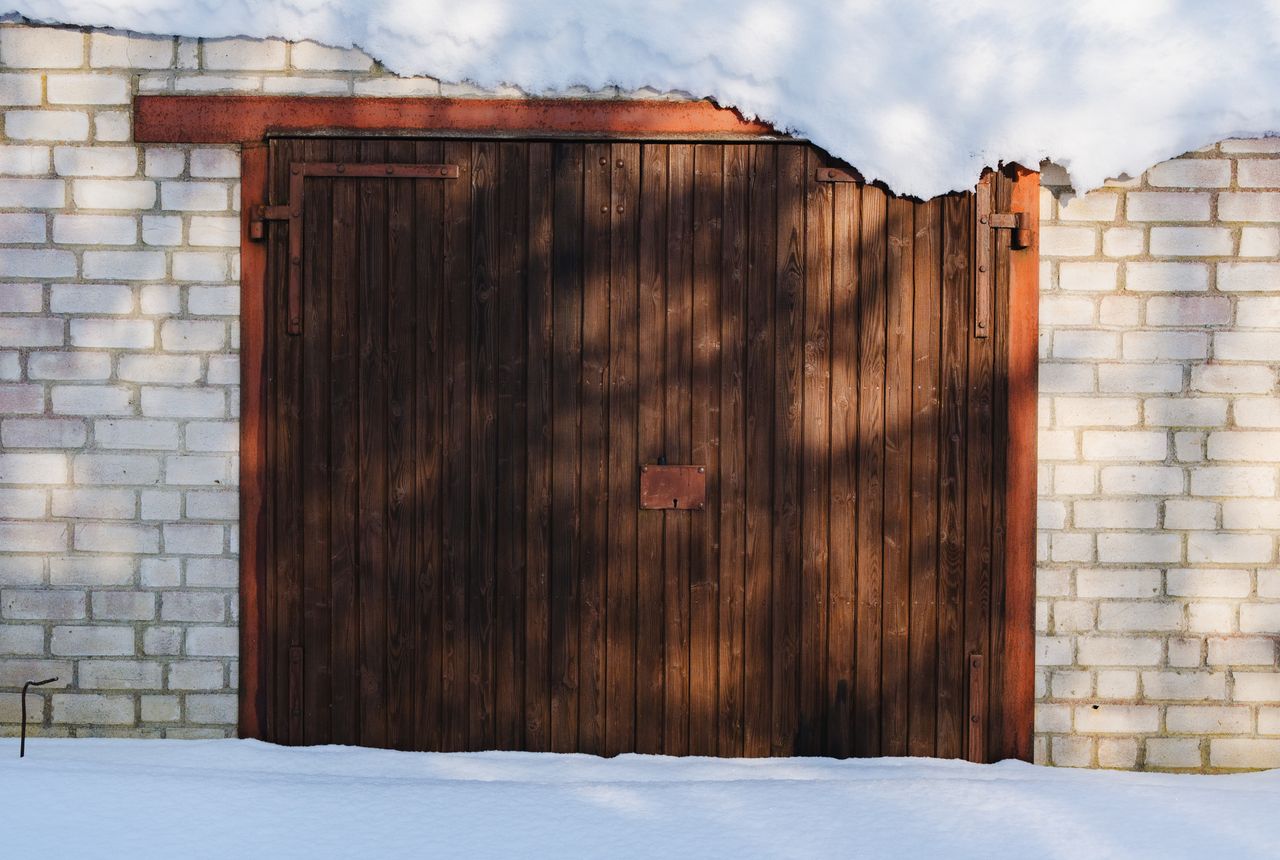
Half the houses in the Rochester area went up between 1947 and 2001, with the median sitting around 1982 - years before any state energy code required insulated garage doors. A door from that era is usually a single layer of steel, sometimes wood, with no foam core and no thermal break at the joints. It does its job holding back wind and rain. It does nothing to hold back cold.
We see this constantly on service calls: a homeowner has re-insulated the attic, added storm windows, maybe redone the furnace, and the garage is still the coldest room in the house. The door was never part of the plan because when the house was built, garage doors weren't built to plan for that. If your door still has the original panel and hardware from a build in the 1960s through the 1980s, it was made to a standard that simply didn't ask for insulation.
This isn't a defect. It's just the door doing exactly what it was designed to do, forty or fifty years ago, under different rules.
Rochester sits in a cold-severe climate band, which changes what an uninsulated door actually costs you. It's not just a chilly garage - it's condensation forming on the inside skin of the door on the coldest mornings, water dripping onto the floor, and steel that can frost over at the bottom seal. If the garage shares a wall with a laundry room, mechanical room, or has any plumbing running through it, an uninsulated door in a hard winter is a pipe-freezing risk, not just a comfort issue.
With 10,381 owner-occupied houses across the service area, most attached garages here were built to whatever standard applied in their decade, not today's. That means the cold-air problem isn't rare or unusual - it's the baseline condition for a large share of the housing stock, especially anything dating to the 1947-2001 window that makes up the bulk of local construction.
A garage that's ten or fifteen degrees colder than it should be in January isn't a mystery here. It's what an original door does in this climate, every winter, until something changes.
The most common mistake we see is treating this as a weatherstripping problem. New bottom seal, new side seals, maybe some foam tape around the frame - it helps a little, but it doesn't touch the real issue, which is a door skin with no insulating layer at all. Sealing the gaps around an R-0 door is like caulking the windows on a house with no attic insulation.
Across the 17 named neighborhoods in our service area, the bulk of the housing stock dates to the 1980s and 90s, which is exactly the era when builders were still hanging a single layer of steel with nothing behind it. People assume a newer opener or a quieter motor means a more efficient garage. It doesn't. The opener moves the door. It has nothing to do with what the door is made of.
We'll also say plainly: not every door needs full replacement. Some just need better weatherstripping and a working bottom seal, and that's a legitimate, cheaper fix if the panel itself is sound. The mistake is guessing instead of finding out which one your door actually needs.
If your garage door was original to a house built anywhere in that 1947-2001 window, it's worth having someone look at the panel construction before you spend money on smaller fixes. That applies whether you're in Rochester proper or out toward Byron, Oronoco, or Stewartville, where the same vintage of housing stock is common.
With median household income in the area at $91,612, replacing a door outright is a reasonable option for a lot of homeowners here, and an insulated steel door will outperform any amount of weatherstripping on an old single-layer panel. But that's a bigger job and a bigger cost, and it's not always the right call - if the door is only a few years from needing replacement anyway for other reasons, patching the seals now can buy you a couple more winters cheaply.
The honest answer is that we can't tell you which route makes sense without seeing the door. A phone description of "it's cold in there" covers a lot of different problems with very different price tags.
Open the door and look at the inside face. A single flat steel or wood panel with visible ribbing and nothing behind it is uninsulated. An insulated door has a foam core sandwiched between two skins, usually with a smoother, thicker feel when you knock on it. If your house was built in the 1947-2001 range, assume it's uninsulated until you check.
Sometimes. Retrofit insulation kits exist, but they add weight, and older torsion springs sized for a lighter door may not handle the extra load well. On a door that's otherwise sound and not near the end of its life, it can be a reasonable stopgap. On a door that's already worn, replacement with a properly sized insulated door is usually the better long-term fix.
Yes. The same era of housing stock - mostly built between 1947 and 2001 - is common in the surrounding towns we cover, including Byron, Oronoco, Stewartville, and Kasson. If a house in any of those areas was built during that stretch, the original garage door was very likely made without insulation.
Call now or request a free quote - same-day service on most repairs, upfront written pricing.